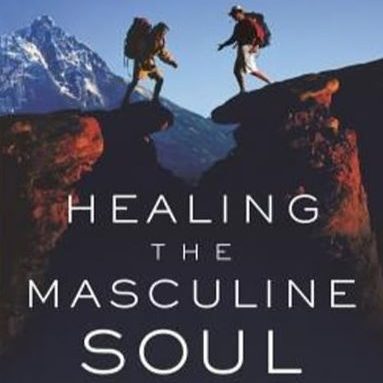
- About the book
- About the author
- Chapter 1: 1. The Lion Speaks
- Chapter 2: 3. Come Out, Son of Our People!
- Chapter 3: 4. She Left Me!
- Chapter 4: 6. To Corral the Stallion
- Chapter 5: 7. Lost Among Men: A Nonpolitical View of Homosexuality
- Chapter 6: 8. Warrior Redeemed
- Chapter 7: 9. Boots for a Working Man
- Chapter 8: 10. The Father and the Man: Of Fathers and Sons
- Chapter 9: 11. The Father and the Man: of fathers and daughters
- Chapter 10: 12. To Know the Father
- Chapter 11: 13. Where Are All the Men? Why Men Don’t Go to Church
- Chapter 12: 14. Rational and Independent, Faithless and Alone
- Chapter 13: 15. An Ancient Mama’s Boy Is Called Out: Wrestling with the Father for New Life
- Epilogue
- Best Quotes from Healing The Masculine Soul by Gordon Dalbey with Page Numbers
- Healing The Masculine Soul Questions
- Healing The Masculine Soul Quiz and Test
About the book
In the newly revised edition of *Healing the Masculine Soul*, Gordon Dalbey delves deeper into the struggle men face between strength and sensitivity. Fifteen years after his initial groundbreaking exploration, he presents an even more urgent call for authentic manhood amidst a world that demands conflicting identities — from the pressures of political correctness to the rampant «macho» portrayals in media. With a message of hope and restoration, Dalbey emphasizes that healing is possible through a relationship with Christ. He encourages men to embrace their true essence, challenging them to redeem rather than renounce their masculinity. By addressing critical themes such as work, sexuality, marriage, and fatherhood, this insightful work offers a comprehensive vision of God’s design for the masculine soul, complemented by a thoughtful study guide for deeper reflection.
About the author
Gordon Dalbey is a prominent author, speaker, and counselor best known for his insightful exploration of masculinity and spirituality. With a background in both ministry and psychology, Dalbey’s work intricately weaves together themes of emotional healing and personal growth, particularly as they relate to men’s roles in society and their relationships with themselves and others. His passion for nurturing the inner life of men is evident in his acclaimed books, including «Healing the Masculine Soul,» where he encourages a profound transformation towards a more authentic, emotionally resonant existence. Through his writings and workshops, Dalbey seeks to empower men to embrace vulnerability, confront their fears, and cultivate deeper connections with their true selves and the world around them.
Chapter 1: 1. The Lion Speaks
The Power of Fear and Dreams
The chapter opens with a reference to a powerful biblical metaphor involving a roaring lion, leading to a narrative about a distressed man who dreams of being chased by a lion. A pastor friend attempts to help him decipher the dream, initially associating the lion with various fears in the man’s waking life, such as work or personal responsibilities. However, none of these interpretations fully resonate with the man.
The Revelation of Courage
During a prayer, the man is encouraged to confront the lion instead of fleeing. When he does so, the lion reveals itself as a symbol of his own courage and strength, asking, “Why are you running away from me?” This revelation turns the interpretation of the dream on its head, illustrating that the man’s fears stem from avoiding his own intrinsic qualities.
Cultural Perspectives on Manhood
The narrative emphasizes that authentic manhood is not sought after but bestowed upon men. Contemporary culture often promotes a distorted image of masculinity through figures like the lone-wolf cowboy, leading men to chase superficial ideals that reflect dissatisfaction rather than divine intention. Advertising perpetuates this cycle, as it thrives on discontent, making it difficult for men to find security in their identity.
The Fear of Responsibility
The lion serves as a metaphorical representation of the immense courage and strength men possess but often fear. This fear arises from the responsibilities that come with these qualities. Authentic manhood is linked to an understanding of courage arising from danger and strength in the face of weakness, raising the question of whether men are truly prepared to embrace these responsibilities.
Personal Reflection
The author reflects on his own experiences with insecurity and self-doubt, particularly during his early years in school, highlighting the contrast between his potential and his perceived limitations. Ultimately, the chapter encourages a deeper exploration into the nature of true masculinity and the courage needed to embrace one’s identity fully.
Critical Thinking
Key Point: Authentic manhood is about embracing one’s inner strengths rather than conforming to societal expectations.
Critical Interpretation: The chapter presents the idea that real masculinity is not found in chasing external ideals but is intrinsic and bestowed upon men through self-acceptance. This perspective challenges conventional narratives surrounding masculinity that often emphasize toughness and independence. However, one must critically examine whether Dalbey’s notion sufficiently accounts for the diverse experiences of men in today’s society, as some may find value in those external pursuits or derive identity from cultural symbols. Therefore, while the chapter encourages introspection, it’s essential for readers to approach the author’s viewpoint with an understanding of the multifaceted nature of masculinity, as evidenced by feminist critiques of traditional gender roles (see works by bell hooks or Raewyn Connell).
Chapter 2: 3. Come Out, Son of Our People!
A Personal Journey to Understanding Masculinity
In this chapter, Gordon Dalbey reflects on his transformative experience in the early 1960s as a young teacher in Nigeria. He shares a pivotal moment when a Nigerian student inquires about the initiation process for boys in American culture, prompting Dalbey to realize the cultural differences surrounding masculinity and coming-of-age rites. His initial response, rooted in Western norms, leaves a lasting impression on him, highlighting a gap in understanding between cultures regarding male identity and transitions into adulthood.
The Impact of Cultural Rituals
Dalbey expresses a sense of humility and introspection following the student’s question, recognizing that, unlike the Ibo tribe’s initiation rites, American culture lacks a formalized process for boys to transition into manhood. He recounts a later discussion with a Nigerian teacher about his own initiation, which serves as a metaphorical seed planted in Dalbey’s heart. This experience ultimately influences his perspective on the importance of rites of passage in shaping masculine identity.
Reflections on Masculine Longings
Years later, after grappling with the fraternal desires and struggles of men around him, Dalbey cherishes the Nigerian story he learned, acknowledging its significance in understanding the complexities of masculinity. He expresses a wish to reconnect with the student who prompted his awakening to these themes, lamenting the cultural deprivation that initially clouded his comprehension of such crucial aspects of male development.
Critical Thinking
Key Point: The Importance of Cultural Rites of Passage in Masculinity
Critical Interpretation: Dalbey emphasizes the transformative impact of cultural rituals on the understanding of masculinity and manhood transitions, suggesting that American culture lacks formal rites that could aid in this development. However, readers should consider that this analysis may overlook the diversity of contemporary American experiences and the varied personal journeys of masculinity that don’t necessarily fit into rigid frameworks. Critics such as Michael Kimmel in ‘Guyland’ argue that the issues surrounding masculinity are complex and multifaceted, varying significantly across different social contexts, and that not all find meaning through traditional rituals.
Chapter 3: 4. She Left Me!
John’s Relationship Crisis
John, an amiable and agreeable man, faces heartbreak when his partner, Susan, leaves him. Despite their long-term relationship, they seldom expressed any conflicts openly. John admits to not expressing anger toward her, fearing it would jeopardize their relationship. Ultimately, his lack of confrontation contributed to the dissolution of their partnership.
The Soft Male Phenomenon
The author reflects on John’s behavior as indicative of a broader trend among men: the emergence of the «soft male.” While society has encouraged men to embrace gentleness and sensitivity, many exhibit a lack of energy and assertiveness in their relationships. Women like Susan may feel burdened carrying the emotional weight when their male partners are not forthcoming with their feelings.
The Need for Balance in Relationships
The narrative emphasizes the need for men to express their desires and feelings robustly. Both partners in a relationship require the capacity to express strong emotions, as this helps cultivate balance and vitality within their bond. The text critiques the extreme softness by underscoring that showing strength does not equate to aggression; it highlights the importance of assertiveness paired with emotional <пропущен фрагмент текста>
Chapter 4: 6. To Corral the Stallion
Divine Inquiry and Human Failings
The chapter begins with a reference to a biblical passage where God questions why He should forgive His people, who have turned to false idols and engaged in immoral behaviors. The author cites prominent examples from recent years where influential men, including politicians and religious leaders, have succumbed to sexual improprieties that ultimately tarnish their reputations and the institutions they represent. These incidents highlight a broader cultural issue of sexual misconduct that undermines public trust.
Impact of Personal Morality on Society
The author argues that personal morality has significant public consequences, impacting careers, ministries, and even national integrity. This portrayal of male behavior reflects an alarming trend where men prioritize fleeting pleasures over their responsibilities to family and society. The author challenges the notion that sexual promiscuity is a sign of masculinity, suggesting instead that such behavior indicates an abdication of true masculinity and responsibility.
Misconceptions about Male-Female Dynamics
Traditionally, the chapter outlines how male sexuality has been viewed in terms of dominance and conquest. In contemporary discussions, however, the narrative has shifted to one where men feel pressured to respond to female advances, thus handing over their initiative. True masculinity, the author posits, is not about dominating women but mastering oneself by yielding to divine guidance.
The Role of Jesus and Self-Submission
Victory over sexual temptations and personal desires can only be achieved through redemption found in Jesus Christ. The author stresses that men should focus on allowing Jesus to guide their actions instead of being driven by primal instincts. This self-submission leads to the empowerment needed to foster authentic relationships and mature masculinity.
The Contrast Between Law and Grace
The chapter highlights the limitations of living under the Law, which can lead to frustration and eventual surrender to sin. In contrast, the new covenant through Jesus offers a path to freedom from the shackles of self-centered desires by embracing the Holy Spirit’s transformative power. This shift allows men to move beyond mere condemnation and view their relationship with God through the lens of grace, enabling them to act in accordance with their true identity as men of God.
Critical Thinking
Key Point: The interplay of personal morality and societal integrity is deeply significant.
Critical Interpretation: Dalbey posits that personal actions, especially regarding sexuality, reflect on broader societal values, implicating that male promiscuity diminishes their essential roles. While this assertion underscores the importance of accountability, it may oversimplify complex issues around masculinity and morality. Critics might argue that attributing societal problems solely to male behavior ignores the multifaceted nature of sexual ethics influenced by culture, education, and individual experiences. Scholars like R. Scott Moxley in ‘Masculinities in Motion’ illustrate that male identity is fluid and conditioned by more than just personal choices. Thus, readers should critically evaluate this perspective, acknowledging both individual accountability and the larger social context that shapes morality.
Chapter 5: 7. Lost Among Men: A Nonpolitical View of Homosexuality
Carl’s Story
Carl reflects on his troubled relationship with his father, whose rejection left him feeling lost and misunderstood. Although he initially downplayed his need for paternal love, he later recognized that his rebellious actions were a misguided attempt to gain his father’s approval while also punishing him for what felt like emotional abandonment.
The Struggle with Identity
Carl’s experiences led him to question his sexual orientation after several encounters with men who assumed he was gay. Despite resisting this label, he found himself plagued by homosexual fantasies, ultimately seeking help for what he perceived as a crisis in his identity. These fears of homosexuality were rooted in his painful relationship with his father, where his desire for acceptance clashed with overwhelming feelings of rejection.
Rejection and Vulnerability
Trying to avoid the ongoing threat of rejection from his father, Carl forced an emotional rift that left him more vulnerable. Rather than liberating himself from his father’s influence, he succumbed to deeper fears regarding male acceptance and affection. By failing to address the root of his feelings towards his father, he repressed them, which distorted them into inappropriate attractions toward other men.
The Spiritual Dimension of Masculine Relationships
The text explores how spiritual needs are often tied to physical expressions of love. Carl’s unmet need for a physical bond with his father led to anxiety in his relationships with other men. When a boy lacks affection or faces emotional detachment from his father, he may later express his suppressed needs in unhealthy ways, such as same-sex attraction.
The Role of Male Bonds
The narrative emphasizes that a boy’s longing for paternal affection is natural and vital for his development. If this bond is absent or abusive, he may face challenges in embracing his masculinity. The text also discusses how unresolved feelings towards fathers can lead to animosity against masculinity itself, manifesting as self-hatred or unhealthy desires.
The Impact of Abuse
In instances where boys face physical or emotional abuse from men, these experiences can leave lasting scars. Anger towards male figures can develop alongside desires that stray into the realm of homosexuality. The systemic issues related to father-son relationships are explored, emphasizing that a boy’s need for a supportive male role model is critical for fostering a healthy identity.
The Need for Healing
Ultimately, the text argues that to break free from the detrimental effects of a man-hating spirit, individuals must embrace healing through spiritual guidance — primarily by turning toward Jesus for comfort and protection. This opening to divine love is essential for addressing the wounds inflicted by familial rejection and for reclaiming a healthy sense of masculinity.
Critical Thinking
Key Point: The connection between paternal relationships and sexual identity struggles.
Critical Interpretation: The chapter underscores the vital link between a boy’s relationship with his father and his later sexual identity. Although Dalbey suggests that unresolved paternal issues often lead to confusion about one’s sexual orientation, it is crucial to consider alternative perspectives that factor in biological, psychological, and societal influences on sexual identity. Scholars such as Judith Butler argue for the complexity of gender and sexuality beyond simplistic father-son dynamics. Readers should critically evaluate whether healing via spiritual guidance, as proposed by Dalbey, truly addresses the multifaceted nature of sexual identity or oversimplifies it.
Chapter 6: 8. Warrior Redeemed
Warrior redeemed
It is important to understand that while we exist in the world, our motivations for fighting are not derived from worldly influences. Instead, we utilize God’s powerful weapons in our spiritual battles to dismantle falsehoods and arguments against the knowledge of God (2 Cor. 10:3-5).
Childhood Perspectives on War and Masculinity
The cartoon illustrates societal debates on the influences of war toys on boys’ behavior. While one mother avoids such toys, her son creatively finds ways to play war regardless of parental intent. Many men recall childhood experiences that reflect their societal conditioning to view war as adventurous and honorable, often linked with traits of manhood.
Growing Up Amidst Conflict
Reflecting on his own upbringing, the author expresses how he was enamored by the heroic qualities associated with warriors, despite the harsh realities of war. His aspiration to emulate these heroes shaped his view of manhood, intertwining it with the concept of conflict, courage, and the pursuit of a greater cause.
The Search for Identity in War and Peace
The author highlights the internal struggle of choosing peace while recognizing a perceived lack of fulfillment in traditional notions of masculinity that are devoid of the warrior spirit. Influences from movements like feminism and societal shifts have led men to question and reassess their identities, often resulting in a rejection of the warrior archetype.
Defining the True Warrior
<пропущен фрагмент текста>
Chapter 7: 9. Boots for a Working Man
Emotional Connection to Cowboy Boots
— The author reflects on his boyhood admiration for cowboys, sparked by an ad for cowboy boots.
— Memories of childhood activities, including fixing spurs to his shoes, are recounted, highlighting a connection to masculinity.
The Experience of Shopping for Boots
— The author’s visit to «Thieves Market” introduces a variety of boots and a salesman’s enthusiastic guidance.
— An internal struggle unfolds as the author feels embarrassed and uncertain about which boots to choose.
Struggles of Masculine Identity in Modern Work
— Professional men experience tension between their heritage of working-class backgrounds and the white-collar jobs of today.
— Society’s perception links masculinity more with physical work, leaving white-collar workers feeling isolated.
Conflict Between Generations
— The emotional and cultural divide between men in different occupational fields is depicted.
— The author shares stories of men who struggle with their identities due to lacking connection with their fathers’ work.
Alan’s Journey of Self-Discovery
— A case study of a man named Alan reveals conflict stemming from his mother’s hopes for him to have a better job than his father.
— Alan’s lack of bond with his father becomes a barrier to finding his own professional identity, culminating in a therapeutic moment.
David’s Healing from Emotional Abandonment
— David’s experience echoes Alan’s, showcasing how childhood events with his father affected his job choices.
— Both men are depicted as wrestling with the masculine narrative that devalues their emotional and artistic inclinations.
The Author’s Reflection on Family Heritage
— The author’s personal narrative demonstrates reconciling his roots with his current professional identity.
— A trip back to his father’s hometown provides impetus for self-reflection and reconnecting with family heritage.
Conclusion: Bridging the Generational Divide
— The text weaves a narrative about connecting current identities with historical family legacies.
— It emphasizes the healing potential of understanding and reconciling past familial relationships regarding work and masculinity.
Chapter 8: 10. The Father and the Man: Of Fathers and Sons
This chapter emphasizes the critical need for reconciliation between fathers and their children, as highlighted in Malachi 4:5-6. It asserts that earthly fathers, being imperfect, inevitably hurt their children, and thus, the pathway to healing lies in recognizing these wounds and seeking reconciliation. This healing is not merely psychological but pivotal for fulfilling God’s purposes on Earth.
The Role of Fathers
God specifically calls for fathers to reconcile with their children, acknowledging that mothers often have a stronger initial bond due to the physical connection during pregnancy. The chapter underlines how a father’s presence and affection can significantly influence the dignity and choices of their children.
Real-Life Examples of Father-Son Reconciliation
The author shares the story of a young man named Peter, who, despite being successful, struggles with inadequacy due to a lack of verbal affirmations and love from his father.
After initiating communication with his father about love, Peter learns that his father does care, but the exchange highlights the struggles many men face in expressing emotions and seeking validation from their fathers.
Biblical Illustrations
The chapter references the biblical story of King David and his son Absalom as a warning about the tragic consequences of unexpressed love and unresolved conflict between fathers and sons. David’s failure to openly communicate his love led to devastating outcomes, illustrating how the absence of affirming words can fuel feelings of inadequacy and anger in a son.
Consequences of Fatherlessness
It discusses the detrimental effects of fatherlessness on a boy’s development, often resulting in a quest for validation from women, rather than from a father. This cycle perpetuates societal issues such as distrust in leadership and authority.
The Path to Healing
The chapter concludes by reiterating that acknowledging and addressing these wounds is vital, as the absence of a father figure can lead to a myriad of personal and societal problems. The text calls on men to recognize their need for the healing power of God, aligning with the belief that a fatherless generation is fundamentally in need of the love and affirmation provided by God the Father.
Example
Key Point: The Urgency of Reconciliation Between Fathers and Sons
Example: Imagine standing at the crossroads of your life, feeling an emptiness stemming from your father’s absence. You recall moments from your childhood where words of affirmation would have changed everything. When you find the courage to confront your father, sharing your feelings of longing for his love, the air is thick with years of unspoken emotions. He listens, and in that moment, you realize that vulnerability is a strength, not a weakness. This dialogue doesn’t just mend your relationship; it heals generations of pain, illustrating that reconciliation isn’t about perfection but progress, allowing God’s love to seep into the cracks of your relationship and transform it forever.
Chapter 9: 11. The Father and the Man: of fathers and daughters
Introduction
The chapter explores the critical role fathers play in shaping their daughters’ lives and identities, emphasizing the emotional wounds that arise from father-daughter relationships.
Understanding the Father-Daughter Relationship
Men often recognize the impact of their own fathers on their lives and seek to become good fathers to their daughters. However, many men are unsure of what their daughters truly need from them. This uncertainty can stem from their own past experiences and lack of guidance.
The Importance of Listening
The author encourages men to engage with their wives to understand a daughter’s needs better. Many women desire to discuss their relationships with their fathers but often feel they lack opportunities to do so.
Father’s Role in Feminine Identity
The chapter highlights that a father’s affirmation is crucial for a daughter’s self-esteem and femininity. The father’s role is not only to recognize the physical beauty of his daughter but also to support and congratulate her as she grows and matures.
Challenges in the Father-Daughter Dynamic
As daughters reach puberty, fathers often withdraw, leading <пропущен фрагмент текста>
Chapter 10: 12. To Know the Father
A father to the fatherless is God in his holy dwelling. (Ps. 68:5 NIV)
A friend’s experience of taking his son to a family farm highlights a significant modern deception: the belief that we are the source of our needs. This is illustrated when the son insists that «real milk” comes from a store rather than acknowledging its origin from a cow. This misconception reflects a broader societal trend where technological advancements lead us to forget life’s original Source.
The Illusion of Human Connection
Marketing strategies, such as beer commercials, exploit this deception by promoting the idea that male fellowship and connection can be instantly achieved through products rather than genuine relationships. This false belief often deepens feelings of isolation among men, many of whom suffer from emotional abandonment in their familial relationships.
The True Source of Love
The quest for love often leads to misunderstandings between partners, as illustrated by a couple seeking counseling. Each partner feels unloved and accuses the other of not providing enough love. Biblical teachings clarify that love originates from God, not from human interactions. As stated in 1 John 4:7, «Let us love one another, because love comes from God.” This fundamental truth contradicts the common belief that love must be sourced from other humans.
Mediating Divine Love
Human beings can only act as mediators of God’s love. True love involves receiving love from God and channeling it to others. This means that if we wish to love more effectively, we should seek more of God’s love first. Attempting to love solely through human effort often leads to frustration. Instead, acknowledging our inadequacies and turning to God can enhance our capacity to give love.
The Nature of Human Love
While receiving love from others is acceptable, it comes with the understanding that human nature can dilute the purity of divine love. As we receive God’s love and seek healing, our ability to share it with others increases. However, it is crucial to recognize that what we may experience as love can often be imperfect, reflecting our human flaws rather than the intended divine essence.
Example
Key Point: Recognizing God’s love as the ultimate source of connection and fulfillment can transform your relationships.
Example: Imagine feeling stuck in a cycle of seeking validation through superficial connections, believing that love comes from the fleeting moments shared over drinks with friends or from the approval of a partner. Now, envision taking a step back and acknowledging the divine source of love in your life, where you turn to God instead and allow that unconditional love to fill your heart. This shift not only deepens your understanding of love but also empowers you to genuinely connect with others, free from the burdens of expectation and disappointment, allowing authentic relationships to flourish.
Chapter 11: 13. Where Are All the Men? Why Men Don’t Go to Church
In this chapter, the author, Gordon Dalbey, discusses the noticeable absence of men in churches across various denominations. This trend is characterized by a significant gender disparity, with church attendance being predominantly female. Dalbey reflects on conversations with fellow clergy, citing statistics from experts like Dr. Lyle Schaller and Leon Podles, which reveal a deepening concern about the «feminization» of the church.
The Gender Gap in Church Attendance
— Statistics indicate that church attendance is approximately 60% female and 40% male, with attendance among men declining from 43% in 1992 to 28% by 1996.
— In one parish served by the author, women made up 63% of active members, and many married women attended church without their husbands.
— Church activities saw a stark gender imbalance, with prayer and ministry efforts failing to attract men.
Reasons for Male Absence
Dalbey explores several hypotheses for why men are either absent from church or disengaged:
1. Entry Points for Men vs. Women: Churches often provide more opportunities for women to engage, leading to a perception that church activities are more suited for women.
2. Father Figures and God: The societal absence of fathers affects boys’ perceptions of authority and may project negative feelings about the father figure onto God, causing men to shy away from the church.
3. Cultural Norms: The prevailing culture supports an expectation of masculinity that often conflicts with traditional church environments, leading men to seek fulfillment and validation outside of church.
4. Masculine Virtues: There is a lack of promotion of masculine virtues within the church, which discourages men from participating. Emphasizing femininity without a balanced portrayal of masculinity can alienate men.
A Call to Action
Dalbey encourages church leaders to go beyond merely identifying the problem to actually engaging men in ways that resonate with them. He argues for redeeming masculinity rather than feminizing it, promoting an understanding of authentic Christian manhood that includes both strength and tenderness.
Conclusion
The quest for a fuller understanding and embrace of masculinity within the church is essential for attracting men. This journey calls for recognizing and celebrating the unique contributions that men can bring to the church community, grounded in biblical principles that honor both masculine strength and the nurturing aspects of faith.
Chapter 12: 14. Rational and Independent, Faithless and Alone
Our current secular culture portrays men as independent figures, particularly exemplified by the cowboy archetype, celebrated in songs like “Mamas, Don’t Let Your Babies Grow Up to Be Cowboys.” This image highlights masculine alienation, showcasing the difficulties men have in maintaining intimate relationships, even with those they love. Men’s pervasive emotional isolation is often masked with a facade of ruggedness and independence, seen as noble despite its underlying brokenness.
Cultural Alienation and Community Disconnection
Men are often socialized to disdain community and emotional connections, as noted by the late Frank Sinatra’s «I Did It My Way,» which glorifies self-reliance at the expense of relationships. This attitude leads to men perceiving friendships as unnecessary, resulting in a lack of brotherly bonds. Women are traditionally viewed as the nurturers of social relationships, prompting men to abdicate these responsibilities, further isolating themselves.
Spirituality vs. Secular Power
The foundation of Jesus’s teachings revolves around loving relationships—both with God and neighbors. However, men tend to shy away from communal spirituality and church involvement, often preferring the solace of nature to engage with God. Yet, this approach fails to address deep emotional needs that only community and connection can fulfill. The church should facilitate relationships that empower spiritual growth, pushing men to embrace intimacy rather than fear it.
The Gendered Experience of Relationships
<пропущен фрагмент текста>
Chapter 13: 15. An Ancient Mama’s Boy Is Called Out: Wrestling with the Father for New Life
In this chapter, the transformation of Jacob to Israel is explored through the metaphor of wrestling with God. Jacob, characterized as a «mama’s boy» and a deceitful figure, faces a pivotal moment when he encounters God while fleeing from his brother and uncle. In contrast to his rough brother Esau, Jacob represents a softer, less confrontational persona. The encounter occurs in a river gorge where Jacob, alone and vulnerable, engages in a wrestling match with God. This symbolizes a deeper struggle within him, reflecting the inner conflicts that many men face in their identities and relationships. The narrative suggests that God intentionally meets Jacob in a challenging context rather than a comfortable one, emphasizing that transformation often comes through struggle.
During the wrestling match, Jacob refuses to let go until he receives a blessing, revealing his desperation for a change. When asked for his name, Jacob admits to his deceitful nature, which leads to a profound transformation — he is renamed Israel, meaning «the struggler with God,» signifying a shift from a life of deceit to one of authenticity.
This story illustrates the importance of confronting one’s inner struggles to embrace love, authenticity, and connection with others. The text suggests that true transformation requires grappling with one’s fears and vulnerabilities, leading to a painful yet essential rebirth into a new identity. The chapter concludes with a reminder that real blessings often come through the challenges we face, urging readers to embrace their struggles in pursuit of spiritual and personal growth.
Epilogue
The epilogue reinforces the themes of transformation and struggle. It suggests that experiencing God’s presence can lead to a deep and painful initiation, likened to the cross, where individuals confront their proud, natural selves to rise anew as sons of God. The essence of the message is about embracing one’s flaws and seeking renewal through the struggle with faith, ultimately leading to a more authentic and loving self.
Best Quotes from Healing The Masculine Soul by Gordon Dalbey with Page Numbers
Chapter 1. Quotes From Pages 43-47
- When a lion roars, who can keep from being afraid? When the Sovereign LORD speaks, who can keep from proclaiming his message? (Amos 3:8)
- I’m your courage and your strength. Why are you running away from me?
- For too long, the image of manhood in our culture has been corrupted by the model of the ‘seeker’… a dissatisfied lone-wolf cowboy…
- The world therefore fears the man who is secure in his manhood, because he can’t be manipulated into buying its trucks and beer as a means of securing it.
- The lion dream-image…suggests that authentic manhood is a fearful thing…are we ready for that?
Chapter 2. Quotes From Pages 50-52
- Why did you have to look for me? Didn’t you know that I had to be in my Father’s house?
- In your own village in America, how did the men come for you, when you were reaching the proper age to come out from your mother’s house?
- Like a seed planted in dry ground, his story remained dormant in my mind and heart for over twenty years.
- I treasure it, sharing it as often as possible.
Chapter 3. Quotes From Pages 53-58
- I guess I . . . never did get angry at her.
- I guess I was afraid of losing her.
- And what happened? I said. John sighed deeply. ‘I lost her.’
- Many of these men are unhappy: there’s not much energy in them. They are life-preserving but not exactly life-giving.
- They [have] learned so well not to hurt anyone that they [can’t] lift the sword, even to catch the light of the sun on it!
Chapter 4. Quotes From Pages 61-72
- Shouldn’t I punish them for these things and take revenge on a nation such as this?” (Jer. 5:9)
- …but he’s actually a boy, abdicating his manly initiative and strength to the woman.
- The battle of the sexes is not between the man and the woman, one trying to dominate the other — but rather between God and the self-centered desires of the ‘flesh’…
- …but rather the masculine power—which, when unbridled, leads to destruction not only of self but of others, as in war and adultery.
- …we men today must be weaned away from the popular notion, ranging in expression from pornographic magazines to cheerleaders, that a woman can confer manhood upon us.
- Sin must no longer rule in your mortal bodies, so that you obey the desires of your natural self.” (Rom. 7:7 )
Chapter 5. Quotes From Pages 73-79
- You’re no son of mine anymore!
- But . . . now I realize I was doing all those crazy rebellious things mostly because I really longed for it, and was trying to punish him for not giving it to me.
- I tried to be civil, but I got out of there quick.
- Being ‘finally cut off from his father did not set him free from fear, as he had hoped.
- The boy needs his daddy to hold him, to hug him, even to tumble and wrestle with him on the living room floor.
- If, however, the father is physically cold and distant, or absent altogether, the boy’s longing goes unfulfilled, and prompts anxiety about bonding with other males.
- The boy who fears his father must fear manhood, and withdraw from it; the boy who hates his father cannot embrace and celebrate his own manliness.
- Every boy longs for his daddy’s love. It’s only natural.
- He needs supernatural help to cover his wounded heart.
- Hate makes you feel strong, and you want to feel powerful against your dad, don’t you?
- To break this spirit’s hold upon him, a man must not only renounce it and instead proclaim Jesus as his protector.
Chapter 6. Quotes From Pages 80-99
- The weapons we use in our fight are not the world’s weapons but God’s powerful weapons, which we use to destroy strongholds.
- What if, indeed, soldiers really do hate war, but in the absence of peaceful alternatives to manhood, prefer it to denying and squelching their true, manly self?
- The truth is that we don’t have to go to combat to go to war. Life is fired at us like a bullet, and there is no escaping it short of death.
- The pressing concern for peacemakers today is therefore not that men go to war and destroy, but that we have not fostered creative and productive occasions for men to demonstrate the essential qualities of manhood.
- God wants His people to be warriors — to be battlers and fighters. And I don’t mean waging warfare, or getting into fights. What I mean is being a battler and fighter in doing as well as you can in your chosen profession.
Chapter 7. Quotes From Pages 100-118
- A cowboy does what he has to do. Boyhood fancies…
- I mean, that I see your whole life as basically standing in the kitchen, at the top of the basement stairs, literally between your mother and your father…
- Your job situation right now suggests that it’s awfully current.
- I forgive you, Dad! And I thank you for all the hard work you put in to provide for the family.
- A man’s struggle for masculine identity through work is therefore linked with his struggle to bond with the father, with the men from whom he comes.
Chapter 8. Quotes From Pages 119-138
- God’s ultimate saving action in this world focuses upon a reconciliation between fathers and their children.
- The question for fathers, therefore, is not whether they will hurt their children, but will they be willing to recognize it when they do and then seek reconciliation?
- When fathers are reconciled with sons and daughters, God’s saving power is released among us; conversely, when fathers and children remain at odds with one another, powers of destruction are beckoned.
- Whether a Christian or not, whether the world dismisses him or not, dads who wake up and act accordingly are true heroes in the kingdom of God.
- A father confirms and calls forth masculinity in the son. Without this essential input from Dad, the boy can’t later see himself as a man.
- A fatherless generation is ripe for Jesus, who is One with the Father.
Chapter 9. Quotes From Pages 139-168
- The first man every girl loves is Daddy, and the character of that relationship shapes her expectations of what it’s like to get close to a man later as a woman.
- If you don’t know how your wife related to her father, you’ll benefit from the good in that relationship, sure, but you’ll also be blindsided from any wounding there.
- We men want to be good fathers to our daughters. But we don’t know how.
- When Dad fails to do his job, the girl’s femininity is deeply wounded and remains dormant.
- The hallmark of fatherlessness in a society would be gender confusion.
- The finest thing a father can do for his daughter is not to promise her protection forever, but to overcome his own ego and introduce her to the Father larger than himself.
Chapter 10. Quotes From Pages 169-174
- A father to the fatherless . . . is God in his holy dwelling. (Ps. 68:5 NIV)
- Real male fellowship, the ads imply, comes from a beer bottle; the beer draws men together and overcomes the shame of alienation and fear of rejection.
- Let us love one another, because love comes from God (1 John 4:7).
- The best that can be said about our human efforts to love one another is that we mediate God’s love.
- If you want to give more love to another person, you first have to go to the Source and get more of it to give.
- Many marriages… seem mired in an angry standoff in which each partner feels unloved by the other.
- We human beings are by definition imperfect channels for God’s love; by the time God’s love has passed through our human nature in all its pride and selfishness, it rarely reaches the other person in its original, pure form.
Chapter 11. Quotes From Pages 175-191
- The greatest disappointment in my lifetime of ministry… has been that I just never seem able to draw men into the church.
- Christianity is a religion of and for women.
- Can we Christians simply dare to tell men… ‘If you want to know Jesus Christ, receive His power, be healed of your brokenness, and do His work in this world, join us’?
- When a leader is real before God and other men about his own needs and brokenness, real men will line up to follow him.
- The options then become either the church and no men, or the men and no church.
- The work of God among men today… is not to feminize our masculinity, but to redeem it; not to make men more like women, but to make us more authentic men.
- Toughness submitted to Jesus and exercised for God’s purposes is an essential Christian virtue.
- Authentic Christian manhood is therefore manifested in the man tamed only by the Living God — the man who has offered himself as a ‘living sacrifice’… empowered not by his own strength, but by the Holy Spirit.
Chapter 12. Quotes From Pages 192-215
- Even when they’re with those they love, the song concludes pathetically, cowboys are ‘always alone.’
- Pathology lurks here.
- If someone says he loves God, but hates his brother, he is a liar.
- We have no idea how to overcome our alienation from others, we’ll pretend it’s noble and right.
- Jesus declared that loving fellowship with God ‘is like’ loving fellowship with one another.
- We devalue and withdraw from power that threatens to overshadow our own.
- The need for relationship will surface in every man.
- Freedom is what we have—Christ has set us free! Stand, then, as free people.
- Shall we confine ourselves to being the guardian enforcers of Law and hierarchy, abdicating to women the Spirit’s
Chapter 13. Quotes From Pages 216-224
- Your name will no longer be Jacob. You have struggled with God and with men, and you have won; so your name will be Israel.” (Gen. 32:28)
- I like to get my fingers on the flesh and touch to the bone.
- The one who grabs from behind wrestling face-to-face with God!
- Wrestling with that part of yourself that gets scared when love starts breaking down your defenses.
- The Father God of Love confronts each man in the deep river gorge of his inner darkness, somewhere between his self-centered dishonesties and the truth.
- The Good News comes only in the terrifying, painful initiation of the cross, in which we die to our proud natural self and rise anew as sons of Father God.
Healing The Masculine Soul Questions
Chapter 1 | 1. The Lion Speaks| Q&A
- Question. What does the story of the man dreaming about a lion teach us about fear and courage?
Answer: The dream illustrates that the man was not just afraid of the lion; he was running away from his own courage and strength. The lion symbolizes the man’s true potential, suggesting that many men fear their own innate abilities and responsibilities.
Instead of confronting what scares us, we often succumb to societal pressures and ideals that distract us from realizing our true selves.
- Question. How does the author contrast the seeker mentality with authentic manhood?
Answer: The author posits that the seeker mentality is based on dissatisfaction with oneself, where men are led by desires for material possessions and societal validation, rather than by a deep understanding of their own identity. In contrast, authentic manhood is bestowed upon men and involves recognizing and embracing their inherent strength and courage without fear.
- Question. What is the significance of courage and strength in manhood according to the text?
Answer: Courage and strength are integral to authentic manhood; they are not just traits to be admired but responsibilities to be exercised. True manhood requires men to confront dangers and weaknesses, highlighting that possessing these qualities comes with the expectation to act on them.
- Question. What societal influences does the author criticize regarding the perception of masculinity?
Answer: The author criticizes the media and advertising that promote a skewed perception of masculinity centered around materialism, dissatisfaction, and images that often promote a hollow version of ‘manhood’. This perpetuates a cycle of insecurity and manipulation, discouraging men from confronting their real identity.
- Question. How does the author encourage men to approach their fears?
Answer: The author encourages men to face their fears directly rather than fleeing from them. Just as the dreamer ultimately learned to ask the lion about its presence, men are invited to confront their fears to understand and embrace what they signify about their own strength and potential.
- Question. In what ways can confronting our own ‘lions’ change our lives?
Answer: Confronting our ‘lions’ can lead to profound personal transformation and empowerment. By recognizing what truly scares us often reveals our deepest strengths and abilities, helping us to define our identity, fulfill our responsibilities, and achieve a more authentic and confident existence.
- Question. What does the text suggest is a common illusion men face regarding masculinity?
Answer: The text suggests that men often chase an illusion of masculinity that is defined by external validation and societal expectations rather than a genuine understanding of their own strengths and character, which can lead to feelings of inadequacy and disconnection from their true selves.
Chapter 2 | 3. Come Out, Son of Our People!| Q&A
- Question. What is the significance of the question asked by the Nigerian student about how men call boys in America?
Answer: The question highlights the cultural differences in rites of passage and the nurturing of boys into manhood. It illustrates how societies have different ways of signifying maturity and the transition from childhood to adulthood.
- Question. How does the author feel about the initiation rite stories shared by the Nigerian teacher?
Answer: The author values these stories deeply, realizing that they address the fraternal longings of men and the importance of recognizing these cultural practices in understanding masculinity.
- Question Why does the author reflect on the cultural differences between American and Nigerian societies?
Answer: The author reflects on these differences to emphasize the need for understanding and meaning in male identity formation across cultures, recognizing that different societies may have richer traditions for such transitions.
- Question. What does the phrase ‘come out, son of our people’ imply in the context of the chapter?
Answer: This phrase signifies a call for young men to step forward into their roles and responsibilities within their societies, highlighting the importance of community and guidance in the transition to manhood.
- Question. Why does the author express a desire to contact the Nigerian student years later?
Answer: The author wishes to reconnect not only to share his evolved understanding but also to express gratitude for a question that sparked a reconsideration of his views on masculinity and cultural identity.
- Question. What is the broader theme that this chapter conveys regarding masculinity?
Answer: The broader theme revolves around the importance of community, cultural rites, and the nurturing of young men as they transition into adulthood, reflecting on how these elements can shape their identities.
Chapter 3 | 4. She Left Me!| Q&A
- Question. What emotional conflict did John face in his relationship with Susan?
Answer: John’s primary conflict was his fear of expressing anger towards Susan. He believed that showing anger would jeopardize their relationship, leading to feelings of resentment and eventually losing her. John struggled with the balance between being nurturing and expressing his true feelings.
- Question. Why did Susan feel guilty in her relationship with John?
Answer: Susan felt guilty because she often found herself being the only one expressing emotions and energy in their dynamic. John’s inability to express anger made her feel responsible for the discord in the relationship, as if she was the only one who was flawed.
- Question. How does the author relate John and Susan’s relationship to broader societal changes regarding masculinity?
Answer: The author connects John’s behavior to the evolving concept of masculinity influenced by the women’s liberation movement. Men like John have been encouraged to embrace gentleness and sensitivity, often at the expense of asserting their own needs and desires, which can lead to imbalance in relationships.
- Question. What is the significance of the ‘sword’ metaphor discussed in the chapter?
Answer: The ‘sword’ symbolizes the need for men to assert themselves and express their true feelings without the fear of hurting others. It emphasizes that showing strength and boundaries is essential in relationships, and doing so can be a positive and joyful expression rather than an act of aggression.
- Question. What does Robert Bly mean by the term ‘soft male’?
Answer: Robert Bly describes the ‘soft male’ as a man who is sensitive, nurturing, and environmentally aware but lacks the vigor and assertiveness that typically characterize masculinity. While they contribute positively to relationships and society, they often appear drained of energy and unable to create or embody the dynamics necessary for fulfilling relationships.
- Question. What lesson can be learned from John’s experience regarding emotional expression?
Answer: John’s experience illustrates the importance of being able to express a range of emotions, including anger, in relationships. By suppressing his feelings for fear of rejection, he ultimately lost the relationship. The lesson is that healthy emotional expression is crucial for both individual well-being and the strength of relational bonds.
- Question. How can men balance sensitivity and assertiveness in relationships?
Answer: Men can balance sensitivity and assertiveness by being open to their emotions and learning to express them healthily. This includes acknowledging their feelings, setting boundaries, and being willing to engage in difficult conversations while still being nurturing and supportive.
Chapter 4 | 6. To Corral the Stallion| Q&A
- Question. Why does God question the need to forgive his people in Jeremiah 5:7-9?
Answer: God’s questioning highlights the seriousness of his people’s sins, illustrating how they have abandoned Him and engaged in immoral behavior.
This raises the question of the justice versus mercy dynamic in God’s relationship with humanity.
- Question. How do recent scandals involving men in positions of power relate to the themes in this chapter?
Answer: These scandals demonstrate how the failure to control sexual desire can have far-reaching consequences, not just personally but for careers, institutions, and the perception of the church. They serve as examples of private immorality leading to public disaster.
- Question. What does the chapter suggest about the relationship between masculinity and sexual behavior?
Answer: It suggests that authentic masculinity does not derive from conquering women or succumbing to sexual desires. Instead, true manhood is found through self-control, discipline, and yielding to God’s purpose, indicating that men should not seek validation through sexual conquests.
- Question. How does the chapter redefine the battle of the sexes?
Answer: Rather than viewing it as a competition between men and women, it frames it as a spiritual battle between God and the self-centered desires of individuals, emphasizing the need for men to surrender their desires to God for true fulfillment.
- Question. What risk does a man take when he abdicately his sexual initiative to women?
Answer: He risks losing his masculine spirit and true identity, becoming subject to manipulation and potentially leading to destructive behaviors, ultimately undermining his own character and authority.
- Question. What is the ultimate source of true masculinity according to the text?
Answer: True masculinity comes not from external validation or sexual conquest but from a humble surrender to God through Jesus, who provides the strength to overcome self-centered desires and nurture authentic relationships.
- Question. How does the chapter contrast the ‘Playboy philosophy’ with the Good News of Jesus Christ?
Answer: The ‘Playboy philosophy’ suggests that a man’s masculinity comes from the desire and attraction of women, while the Good News of Jesus teaches that true masculinity is conferred by God through humility and sacrificial love.
- Question. What role does the Law play in a man’s struggle with sin, according to this chapter?
Answer: The Law serves as a reminder of our shortcomings and the temptation to sin, but it also leads to frustration when men try to uphold it in their own strength. The new covenant through Jesus provides a better path, offering empowerment through the Holy Spirit.
- Question. What does the chapter reveal about the misconceptions of masculinity in society?
Answer: It reveals that cultural misconceptions often equate masculinity with sexual conquest and domination over women, when in reality, true manhood is about self-control, responsibility, and a relationship with God.
- Question. How can men reclaim their masculinity according to the author’s perspective?
Answer: Men can reclaim their masculinity by submitting their desires to God, allowing Jesus to transform their understanding of their own power and use it for constructive and restoring purposes instead of destructive ones.
Chapter 5 | 7. Lost Among Men: A Nonpolitical View of Homosexuality| Q&A
- Question. What emotional conflict does Carl face regarding his father?
Answer: Carl struggles with the desire for his father’s love and acceptance, which he initially believes he doesn’t need. However, he later realizes that much of his rebellious behavior stems from a deep longing for his father’s affection — a need that he suppressed out of fear of rejection.
- Question. How do Carl’s feelings towards his father influence his sexual feelings?
Answer: Carl’s unresolved feelings about his father, particularly his need for male acceptance, translate into inappropriate sexual attractions toward other men as a way of coping with his deep-seated fears of rejection and longing for connection.
- Question. What does the author suggest about the connection between a boy’s relationship with his father and his later expressions of masculinity?
Answer: The author suggests that a boy’s relationship with his father is crucial for his development of a healthy masculine identity. If that relationship is cold or abusive, the boy may struggle with his masculinity, leading to distorted expressions of longing and affection.
- Question. What is meant by ‘body-longing’ for the father?
Answer: ‘Body-longing’ refers to the physical desire a boy has
for affectionate touch and bonding with his father, such as hugging or wrestling. This yearning is essential for healthy emotional development and fulfillment of masculine identity.
- Question. How does the author explain the emergence of homosexual impulses?
Answer: The author proposes that homosexual impulses may arise from unmet emotional needs related to the father-son relationship. Rather than stemming purely from sexual attraction, these impulses can be misguided expressions of longing for male acceptance and affection.
- Question. What role does spiritual guidance play in healing from these emotional wounds?
Answer: Spiritual guidance, particularly through a relationship with Jesus and understanding God as a loving Father, is crucial for healing. It offers a pathway for boys to acknowledge their pain and renounce harmful spirits that prevent them from embracing their masculinity.
- Question. What does the author mean by the ‘man-hating spirit’?
Answer: The ‘man-hating spirit’ describes an emotional
defense mechanism that develops in response to abuse or rejection by male figures, leading to anger towards men and masculinity, which ultimately hinders a man’s acceptance of his own identity.
- Question. How can a man break free from the man-hating spirit?
Answer: To break free from the man-hating spirit, a man must renounce it and instead embrace a relationship with Jesus, recognizing His role as a protector and acknowledging the need for healing from past traumas.
- Question. What is the potential consequence of suppressing natural desires for male affection?
Answer: Suppressing natural desires for male affection can lead to emotional turmoil and misguided expressions of longing, such as same-sex attractions, instead of healthy relationships and acceptance of one’s masculinity.
- Question. In what ways might the absence of a nurturing father figure impact a boy’s future relationships?
Answer: The absence of a nurturing father figure can result in anxiety about bonding with other males, difficulties in developing healthy relationships, and potential conflicts in expressing one’s masculinity.
Chapter 6 | 8. Warrior Redeemed| Q&A
- Question. What does it mean to fight from a spiritual perspective rather than a worldly one?
Answer: Fighting from a spiritual perspective means using God’s powerful weapons to combat spiritual strongholds, rather than relying on worldly methods or violence. It emphasizes understanding and overcoming false arguments and obstacles that prevent knowledge of God, focusing on personal transformation and the obedience to Christ.
- Question. How can a father positively influence their son’s views on masculinity and aggression?
Answer: A father can positively influence their son’s views by modeling compassion, loyalty, and emotional openness. Encouraging creative play that does not revolve around aggression, while also teaching the value of courage and integrity in non-violent pursuits can foster a healthy understanding of masculinity.
- Question. How does the culture of war shape the perception of manhood in boys?
Answer: The culture of war often associates manhood with bravery and the ‘war hero’ archetype, instilling in boys the idea that to be a man they need to display aggression and courage in violent scenarios, which can overshadow the true virtues of bravery, integrity, and compassion.
- Question. What are the essential qualities of a true warrior according to the chapter?
Answer: The essential qualities of a true warrior include loyalty, patience, intensity, calmness, compassion, self-mastery, and the willingness to take risks and defend a greater cause. A true warrior must understand their limitations and continually work to hone their skills.
- Question. In what way can competitive sports serve as a substitute for warlike traits?
Answer: Competitive sports can provide a platform for developing warlike traits such as teamwork, discipline, courage, and resilience, allowing men to express their masculinity in a constructive manner, channeling their competitive spirit into skills that build character rather than conflict.
- Question. What implications does the rejection of the warrior archetype have for modern masculinity?
Answer: Rejecting the warrior archetype can lead to a fragmented understanding of masculinity, where men either cling to outdated notions of machismo or embrace a less defined, more passive role, potentially leading to feelings of emasculation and the inability to embody a complete version of manhood.
- Question. How can the Church provide opportunities for men to express the warrior spirit?
Answer: The Church can provide opportunities for men to express the warrior spirit by promoting leadership roles, encouraging service in the community, and fostering environments where men can engage in challenges that test their character and foster spiritual and moral growth.
- Question. Can the warrior exist without being tied to violence, and if so, how?
Answer: Yes, the warrior can exist without being tied to violence by focusing on the underlying virtues of courage, loyalty, and protection without resorting to harm. This can manifest in fighting for justice, advocating for the oppressed, and embodying strength through peaceful means.
- Question. How does AC Green relate the concept of being a warrior
to his professional career in basketball?
Answer: AC Green relates being a warrior to his professional basketball career by emphasizing the need to battle in one’s craft — striving for excellence, displaying discipline, and showing resilience, rather than engaging in physical confrontations, thereby channeling the warrior spirit into his sport.
- Question. Why is inner fulfillment considered essential for men to move away from warlike behaviors?
Answer: Inner fulfillment is essential for men to find positive alternatives to warlike behaviors, as it provides a sense of purpose and belonging that mitigates the drive toward violence. Without fulfilling life pursuits, men may feel compelled to express their masculinity through harmful means.
Chapter 7 | 9. Boots for a Working Man| Q&A
- Question. What are the symbolic meanings of the cowboy boots in the narrative?
Answer: The cowboy boots symbolize a journey into manhood and the exploration of personal identity.
They represent the protagonist’s desire to connect with his boyhood dreams and the conflict between his past and present, as well as his struggle to define his masculinity in a modern context.
- Question. How does the author connect the concept of manhood to familial relationships?
Answer: The author illustrates that a man’s sense of identity and purpose in life is deeply influenced by his relationships with his father and grandfather. This connection shapes their perceptions of masculinity, work, and self-worth, contributing to an inner conflict that many men experience regarding their professional and personal lives.
- Question. What internal conflicts does Alan experience regarding his professional path?
Answer: Alan grapples with feeling disconnected from his father’s blue-collar work ethic while being pressured by his mother to pursue a more ‘acceptable’ career path. This conflict leads him to feel lost in his job choices and hindered in his ability to embrace aspects of his own identity.
- Question. In what ways does the narrative suggest the importance of communication between fathers and sons?
Answer: The narrative emphasizes that open communication about feelings and aspirations is crucial for strengthening the bond between fathers and sons. Misunderstandings stemming from a lack of communication can lead to confusion and resentment, impeding personal growth and fulfillment.
- Question. What role does the author’s personal background play in his understanding of masculinity?
Answer: The author reflects on his familial history, noting his father’s transition from a working-class background to a middle-class professional. This transition informs his own struggles with self-identity, as he wrestles with societal expectations of masculinity and the legacy of his forefathers’ labor.
- Question. What does the encounter in the basement symbolize for Alan’s journey?
Answer: The basement symbolizes a deeper exploration of Alan’s masculine identity and his connection to his father. It serves as a metaphor for uncovering repressed feelings and recognizing shared vulnerabilities, which ultimately leads to healing and acceptance of his identity.
- Question. How does Alan’s experience reflect the struggles faced by men today in their professional lives?
Answer: Alan’s journey showcases a broader societal issue where men often feel torn between traditional views of masculinity associated with hard labor and modern expectations of professional success, leading to feelings of inadequacy and confusion about their roles in contemporary society.
- Question. What does the resolution between Alan and his father signify for both characters?
Answer: The resolution signifies a powerful reconciliation that allows Alan to accept and integrate both his artistic and physical identities. It represents healing not just for Alan but for his father as well, as they embrace their shared experiences and vulnerabilities, fostering a stronger father-son relationship.
- Question. How does the narrative depict the generational conflict surrounding masculinity?
Answer: The narrative illustrates that men today are caught between the ideals of their working-class forefathers and the aspirations of more educated professions. This generational conflict manifests in confusion about identity, work ethics, and the societal pressures associated with being a man.
- Question. What is the significance of the boots fitting comfortably on the author?
Answer: The comfortable fit of the boots symbolizes the author’s realization that he can embrace aspects of his familial legacy without succumbing to societal pressures. It reflects a sense of acceptance and readiness to step into his own identity, blending the ‘working man’ spirit with his individual aspirations.
Chapter 8 | 10. The Father and the Man: Of Fathers and Sons| Q&A
- Question. What is the central message about the relationship between fathers and children as discussed in the chapter?
Answer: The chapter emphasizes that God’s ultimate saving action focuses on the reconciliation between fathers and their children. When this bond is restored, it releases God’s saving power, while estrangement leads to destruction.
- Question. How does the author illustrate the importance of fatherly affection?
Answer: The author shares the story of Peter, a man struggling with feelings of inadequacy, and reveals that he never received verbal or emotional affirmations of love from his father. This lack of communication led to deep-seated self-doubts, highlighting the crucial need for fathers to express love openly.
- Question. What biblical story is used to depict the tragedy of unexpressed fatherly love?
Answer: The author refers to the story of King David and his son Absalom. Their estrangement leads to a tragic conflict that results in Absalom’s death, symbolizing the painful consequences of a father’s failure to communicate love and acknowledgment.
- Question. What role does the concept of ‘belonging’ play in the relationship between fathers and sons?
Answer: The chapter suggests that the longing fathers and sons have for each other boils down to the need for affirming statements of love and belonging. Sons want to know they are valued and accepted as part of their father’s life.
- Question. How does the chapter connect the role of fathers to broader societal issues?
Answer: The chapter posits that a fatherless generation leads to societal ills, such as crime and behavioral issues, as men seek to cover up their father wounds through destructive behaviors, emphasizing the need for fatherly presence and guidance.
- Question. What does the chapter suggest is a common fear among men regarding their fathers?
Answer: A common fear among men is the fear of rejection when seeking affirmation from their fathers. This fear often stops them from pursuing deeper connections or understanding their father’s feelings.
- Question. How does the chapter conclude regarding the possibilities of healing father wounds?
Answer: The chapter concludes by asserting that healing can occur through confronting and addressing father wounds, encouraging men to seek God’s love and confirmation of their identity as sons, which can restore their masculine souls.
- Question. What is one significant takeaway regarding men’s expressions of love for their children?
Answer: The chapter highlights that men often struggle with expressing love verbally or emotionally due to societal norms about masculinity, yet it is essential for their children’s emotional health and sense of security.
- Question. How does the author address the shame associated with father wounds?
Answer: The author discusses how unaddressed father wounds lead to a cycle of shame that can manifest in various destructive behaviors and isolation from others, emphasizing the importance of confronting these issues for genuine healing.
- Question. What impact does the chapter suggest that a father’s love has on his son’s self-image?
Answer: A father’s love and acknowledgment play crucial roles in shaping a son’s self-image, providing him with the confidence and identity he needs to transition into adulthood successfully.
Chapter 9 | 11. The Father and the Man:| Q&A
- Question. What is the significance of a father’s relationship with his daughter in terms of her development as a woman?
Answer: A father’s relationship with his daughter shapes her expectations of intimacy and her understanding of femininity. The first man every girl loves is her dad, and if this relationship is nurturing and affirming, it helps her grow into a secure and confident woman. Conversely, if the father is absent or emotionally detached, it can lead to feelings of inadequacy and insecurity as she seeks validation from other men.
- Question. Why is the father’s affirmation crucial during puberty for a daughter?
Answer: During puberty, a daughter experiences significant changes and needs her father’s affirmation to understand and accept her femininity. If a father pulls away during this critical stage, it can create wounds that result in insecurity about her beauty and femininity, leading her to seek approval from unhealthy sources.
- Question. How can a father positively influence his daughter’s self-esteem?
Answer: A father can influence his daughter’s self-esteem by actively engaging in her life, showing affection, and providing both verbal and non-verbal affirmations of her worth. Celebrating milestones together, such as her first period or achievements, helps her feel cherished and beautiful.
- Question. What does the author suggest about fathers and their fears of letting go of their daughters?
Answer: The author suggests that fathers fear letting go of their daughters due to a natural human tendency to want to protect their children. However, overcoming that fear and allowing daughters to seek their own futures is essential for healthy development. Fathers must accept their own limitations and introduce their daughters to a higher Father who can provide the ultimate guidance and support.
- Question. What is the importance of open dialogue between men and women regarding parenthood?
Answer: The importance lies in the need for men to understand women’s experiences growing up, particularly their relationships with their fathers. This understanding can foster healthier relationships and better parenting approaches, as fathers learn what their daughters need from them.
- Question. How does the author describe the consequences of absent or emotionally distant fathers?
Answer: Absent or emotionally distant fathers can lead to daughters developing a deep longing for masculine attention and affirmation, often manifesting in unhealthy relationships with men as they seek love and validation. These women may struggle with trust and intimacy due to the formative wounds of their childhood.
- Question. What role does God play in healing father-daughter relationships?
Answer: God plays a crucial role by offering a model of perfect love and support that earthly fathers cannot fulfill. By recognizing their dependence on God, fathers can let go of their egos and introduce their daughters to divine healing and affirmation, enabling them to embrace their true identities.
- Question. How does the example of Jairus serve as a model for fathers?
Answer: Jairus exemplifies humility and devotion as a father, approaching Jesus in desperation for his daughter’s healing. His willingness to be vulnerable shows that a father’s love can lead to miraculous outcomes, highlighting the importance of seeking both emotional and spiritual support for their children.
- Question. What challenges do fathers face in their relationships with daughters, as per the content?
Answer: Fathers face challenges of balancing love and affirmation without fostering dependency. They must navigate their own fears of intimacy and letting go, while also ensuring they do not overshadow their daughters’ independence or needs.
- Question. How does the author connect the experiences of women in fatherless homes to societal issues?
Answer: The author connects these experiences to a broader societal issue of gender confusion and the challenges many women face when they grow up without adequate father figures, which can lead to unhealthy patterns in relationships and a disconnection from their identities.
Chapter 10 | 12. To Know the Father| Q&A
- Question. What is the main source of love according to the biblical faith as discussed in the chapter?
Answer: Love comes from God, not from human beings. We can only mediate God’s love to one another.
- Question. How do misunderstandings about love affect relationships, as illustrated by the couple in marital turmoil?
Answer: Each partner feels unloved and blames the other, leading to a standoff. They fail to recognize that love must be sourced from God, causing frustration and resentment.
- Question. What is the significance of going to God to receive love?
Answer: To effectively love others, one must first receive love from God. It’s about increasing our capacity to love, which isn’t just about trying harder but about deepening our relationship with God.
- Question. How can the analogy of the boy preferring store milk over cow milk relate to our understanding of love?
Answer: Just as the boy believes milk only comes from the store, many believe love comes solely from human relationships. This misunderstanding neglects the deeper truth that genuine love originates from God.
- Question. In what ways do human beings act as channels for God’s love?
Answer: As we receive love from God, we then mediate that love to others, even though our human imperfections might dull its purity.
- Question. What is the problem with approaching love from a purely human perspective?
Answer: It can lead to frustration and feelings of inadequacy as people may try to love harder without recognizing their need for God’s love to fill and sustain them.
- Question. What does the chapter suggest about our capacity to give love?
Answer: Our capacity to give love increases as we learn to receive God’s love more abundantly, moving from small ‘thimbles’ to large ‘barrels’ for our needs.
- Question. What does 1 John 4:7 tell us about the nature of love?
Answer: It emphasizes that love is sourced from God, encouraging an understanding that loving one another stems from experiencing God’s love first.
- Question. How does the chapter illustrate the relationship between isolation among men and their understanding of love?
Answer: Societal isolation leads men to seek substitutes like alcohol for fellowship, distorting their understanding of genuine love and connection.
- Question. What metaphor is used to describe how humans process and deliver God’s love?
Answer: Humans are described as imperfect channels for God’s love, meaning that by the time love passes through us, it may lose some of its original purity.
Chapter 11 | 13. Where Are All the Men? Why Men Don’t Go to Church| Q&A
- Question. What does the author identify as a significant issue regarding men and church attendance?
Answer: The author highlights a severe gender gap in church attendance, noting that about 60% of church-goers in the U.S. are female, with many men either not attending church at all or participating a lot less than women.
- Question. Why might the concept of God as ‘Father’ contribute to men’s reluctance to attend church?
Answer: The author suggests that many men may have negative associations with the idea of ‘father’ due to their own experiences with absent fathers, leading them to distance themselves from God and the church.
- Question. What is indicated as necessary for men to find a place in the church according to the author?
Answer: The church needs to present authentic Christian masculinity that includes strength, truth-telling, and toughness, alongside the nurturing qualities often associated with femininity.
- Question. What does the author mean by ‘to redeem our masculinity’?
Answer: Redeeming masculinity entails recognizing and embracing masculine virtues like strength and resilience, rather than feminizing men to conform to a set of exclusively feminine values.
- Question. How does the author describe the role of repentance for men in the church?
Answer: The author emphasizes that men must engage in continual repentance for their unbridled toughness and pride, transforming that strength into something that serves God’s purposes rather than their own.
- Question. What is the recommended approach for churches to engage men effectively?
Answer: Churches should present a compelling vision of what it means to follow Jesus that resonates with men’s inherent desires to be strong, to be leaders, and to seek truth.
- Question. Why might traditional church activities not attract men, according to the text?
Answer: The activities of many churches are often perceived as offering more entry points for women and may not align with the interests or comfort levels traditionally associated with men.
- Question. What example is given of a past successful men’s church activity?
Answer: In the text, a past men’s fellowship involving films of jet fighter planes is cited as an instance where men were drawn in effectively, demonstrating the importance of meeting men where they are.
- Question. What paradox regarding men’s and women’s church attendance does the author explore?
Answer: The paradox is that while men experience similar father-related traumas as women, it is often the women who seek out the church for a connection with ‘Father God’ while many men avoid it.
- Question. What critical transformation does the author suggest is necessary for men’s involvement in the church?
Answer: The necessary transformation involves a church representation that does not shun masculine values, offering strength and leadership opportunities aligned with biblical teachings, inviting men to embrace their authentic identities as followers of Christ.
Chapter 12 | 14. Rational and Independent, Faithless and Alone| Q&A
- Question. What is the main issue highlighted about the male experience in society?
Answer: Men are often culturally conditioned to see independence and individualism as preferable over community, resulting in alienation and a lack of fulfillment in relationships.
- Question. How does the portrayal of the cowboy reflect men’s societal expectations?
Answer: The cowboy image symbolizes a rugged individualism and a lifestyle of alienation, promoting the idea that emotional connections with others, especially women, are less valuable or even threatening to masculinity.
- Question. What foundational relationship does Jesus emphasize in His teachings?
Answer: Jesus emphasizes the importance of loving God and loving one’s neighbor, suggesting that authentic faith involves building both a relationship with the divine and with fellow human beings.
- Question. How has male development influenced their views on relationships and intimacy?
Answer: Due to the need to separate from their mothers during childhood to establish their masculine identity, men often feel threatened by intimacy and struggle with relationships, whereas women tend to develop a sense of self through connection.
- Question. What role does community play within the Christian faith?
Answer: Community is essential in Christianity, as believers are encouraged to share fellowship and support one another, reflecting the interconnectedness of spiritual life and the relationships amongst believers.
- Question. Why might men feel alienated in church communities?
Answer: Men often value physical and rational power, which can lead them to undervalue emotional relationships and therefore shy away from the communal and spiritual aspects
- Question. How have changing societal roles of women impacted men’s responsibilities in family and spirituality?
Answer: As women have taken on more responsibilities in the workforce, men are now called to engage more actively in both family relationships and spiritual leadership, breaking away from traditional patterns of alienation.
- Question. What challenge does the author propose for men regarding spirituality and community?
Answer: Men are challenged to step beyond their fear of intimacy and independence, embracing the communal aspects of faith that encourage spiritual growth and stronger relationships with God and one another.
- Question. In what ways does the author believe men can overcome their fear of relationships?
Answer: By recognizing the limitations of worldly power and the loneliness of isolation, men can open themselves to the power of spiritual relationships that foster growth and community.
- Question. What does the author suggest about the relationship between spiritual power and community?
Answer: The author suggests that spiritual power is realized through communal connections; while men might traditionally resist communal involvement, embracing it can lead to a deeper experience of God’s love and purpose.
Chapter 13 | 15. An Ancient Mama’s Boy Is Called Out: Wrestling with the Father for New Life| Q&A
- Question. What does Jacob’s wrestling with God symbolize in the context of personal transformation?
Answer: Jacob’s wrestling with God symbolizes the struggle that individuals face when confronting their deeper selves and the aspects of their identities that hold them back. Just like Jacob, who initially hides behind his deceitful persona, we all have parts of ourselves that we must confront and wrestle with to attain true growth and transformation. This reflects the need to embrace vulnerability and honesty before we can receive love and blessing in our lives.
- Question. How does Jacob’s new name, Israel, reflect his transformation?
Answer: Jacob’s new name, Israel, means ‘the struggler with God,’ signifying his victory not only over his past dishonesties but also over the internal conflicts that defined him. The transformation from Jacob, the cheater, to Israel, the one who faces challenges, indicates a profound change in identity. It emphasizes that true winning comes from grappling with oneself and embracing one’s flaws while striving for authenticity.
- Question In what way does the author connect the struggle for love with Jacob’s story?
Answer: The author connects the struggle for love with Jacob’s story by illustrating that love often requires confronting the ‘Jacob’ within us—our fears, insecurities, and the tendency to manipulate relationships for our benefit. Just as Jacob had to wrestle with God to change his identity, we too must engage in our own struggles to be able to love and allow ourselves to be loved genuinely.
- Question What does the author suggest is essential before we can love others?
Answer: The author suggests that before we can love others, we must first wrestle with our own inner Jacob—addressing our fears, defenses, and selfish tendencies. This internal confrontation is necessary to transform into a more loving and authentic version of ourselves, which allows for healthier relationships.
- Question. How does the author interpret God’s method of confronting Jacob?
Answer: The author interprets God’s method of confronting Jacob as one that avoids comfort and instead engages in a direct, challenging wrestling match. This portrays the idea that true transformation often occurs through struggle and discomfort rather than through ease. God’s approach signifies that facing our deepest fears and vulnerabilities is essential for spiritual and personal growth.
- Question. What overall message does the author convey about suffering and personal initiation?
Answer: The overall message conveyed is that suffering and struggle are integral to personal initiation and growth. The author emphasizes that the journey to becoming a better self often involves going through painful experiences that challenge our identities, forcing us to let go of our old selves in order to emerge renewed and more aligned with our true nature as children of God.
Healing The Masculine Soul Quiz and Test
Check the Correct Answer on Bookey Website
Chapter 1 | 1. The Lion Speaks| Quiz and Test
- The lion in the man’s dream symbolizes the man’s
courage and strength.
- The chapter argues that authentic manhood is something men must seek and achieve on their own.
- Cultural portrayals of masculinity are depicted as promoting a positive and satisfying identity.
Chapter 2 | 3. Come Out, Son of Our People!| Quiz and Test
- Gordon Dalbey realized that American culture has a formalized process for boys to transition into manhood like the Ibo tribe’s initiation rites.
- Dalbey’s experience in Nigeria influenced his views on the importance of rites of passage in shaping masculine identity.
- The chapter reflects Dalbey’s desire to forget about the cultural differences in masculinity he learned while teaching in Nigeria.
Chapter 3 | 4. She Left Me!| Quiz and Test
- John’s reluctance to express anger contributed to
the end of his relationship with Susan.
- The ‘soft male’ phenomenon is characterized by men being overly aggressive and assertive in their relationships.
- The author believes that both partners should be able to express strong emotions for a healthy relationship.
Chapter 4 | 6. To Corral the Stallion| Quiz and Test
- The author believes that sexual promiscuity is a sign of true masculinity rather than a failure to take responsibility.
- According to the chapter, personal morality impacts public trust and institutions. 3.True masculinity is described as dominating women rather than mastering oneself.
Chapter 5 | 7. Lost Among Men: A Nonpolitical View of Homosexuality| Quiz and Test
- Carl felt understood and accepted by his father throughout his life.
- Carl’s fears of homosexuality stemmed from a painful relationship with his father.
- Seeking help for identity issues is portrayed as unnecessary in Carl’s story.
Chapter 6 | 8. Warrior Redeemed| Quiz and Test
- The author believes that true masculinity is entirely devoid of any connection to the warrior spirit.
- According to the chapter, loyalty, patience, and compassion are qualities of a true warrior. 3.Competitive sports are considered a detrimental influence on the development of masculine traits, according to the author.
Chapter 7 | 9. Boots for a Working Man| Quiz and Test
- The author admired cowboys due to an advertisement for cowboy boots during his childhood.
- The author’s visit to Thieves Market involved a lot of confidence when selecting his boots.
- The experiences of the men Alan and David indicate that they had strong emotional connections with their fathers’ work.
Chapter 8 | 10. The Father and the Man: Of Fathers and Sons| Quiz and Test
- The chapter emphasizes the importance of reconciliation between fathers and their children according to Malachi 4:5-6.
- The chapter claims that mothers have a weaker bond with their children than fathers due to physical connection during pregnancy.
- The story of Peter demonstrates that successful individuals are always satisfied and do not struggle with feelings of inadequacy.
Chapter 9 | 11. The Father and the Man:| Quiz and Test
- Fathers play a critical role in shaping their daughters’ identities and lives.
- According to the chapter, fathers should withdraw from their daughters as they reach puberty.
- The chapter suggests that fathers must seek God’s guidance in parenting their daughters.
Chapter 10 | 12. To Know the Father| Quiz and Test
- According to the summary, the source of love is solely from God.
- The belief that human connections can be achieved through products is a genuine understanding of relationships.
- The summary states that while receiving love from others is important, it may not always represent the purity of divine love.
Chapter 11 | 13. Where Are All the Men? Why Men Don’t Go to Church| Quiz and Test
- Church attendance statistics indicate that approximately 60% of attendees are female and 40% are male.
- The absence of fathers in society has no impact on boys’ perceptions of authority figures, including God.
- Church environments generally promote masculine virtues in order to engage men in attendance and church activities.
Chapter 12 | 14. Rational and Independent, Faithless and Alone| Quiz and Test
- The cowboy archetype illustrates men’s strong connections to community and relationships.
- Men are often socialized to value emotional connections and community involvement.
- Jesus’s teachings emphasize relationships over rituals, encouraging men to embrace community and spiritual authority.
Chapter 13 | 15. An Ancient Mama’s Boy Is Called Out: Wrestling with the Father for New Life| Quiz and Test
- Jacob was characterized as a ‘mama’s boy’ and a deceitful figure in the chapter.
- Jacob’s transformation from Jacob to Israel signifies a shift from authenticity to deceit.
- The chapter suggests that true transformation often comes easily and without struggle.


Комментировать